Magazine · No. 10 · March 2021 · Fundación para la Confianza
Por un Mundo sin Abuso (“For a World without Abuse”) magazine · March 2021: Challenges for gender equality
The March 2021 issue, for International Women’s Day: prevention and response protocols, a mother’s testimony, the prevalence of sexual abuse in Chile, an interview with a young activist, leadership and gender gaps, and tips for avoiding micromachismos.
Prevention and response protocols
Preventing child sexual abuse requires organisations that work with children and adolescents to have timely and appropriate prevention and response protocols. If you belong to an organisation, make sure a protocol exists, that it is up to date, that it involves the community in prevention activities and that the different people involved know it. If your son or daughter goes to a school, a scout group, a parish or another institution, make sure they have protocols. Read them and discuss them. If they do not have them, it is not only your right but your ethical duty to demand that they be created and shared. What should a protocol contain? Here we set out some of the points needed for a protocol that is truly useful and not a worthless document.
First, it must have a clear ethical position, ideally from the perspective of the rights of children and adolescents. This approach should foster a climate of respect for those rights as a way of generating prevention strategies. Next, it needs a definition of sexual abuse and of every situation that will set the protocol in motion. This definition must go beyond merely legal definitions, since it has to cover the earlier, ambiguous circumstances that can give rise to abuse. It must also include the legal definitions, however, because they show the legal and criminal responsibilities.
In addition, it must include a flowchart of actions and the people responsible for them, which are indispensable in a protocol. Without actions and people responsible, no one will act and everything will end in indifference and mutual blame. Knowing who must act and how brings peace of mind to the community. A protocol must make visible the networks of public and private organisations that protect children and adolescents. Protocols must be updated every year, take on new forms of prevention and describe new forms of risk and abuse to be recognised.
- Ethical positionClear, ideally from the perspective of the rights of children and adolescents.
- Definition of sexual abuseBeyond the legal: it covers earlier and ambiguous circumstances, and also the legal definitions.
- Flowchart of actions and people responsibleKnowing who must act and how.
- Protection networksMakes visible the public and private organisations that protect children and adolescents.
- Annual updateTakes on new forms of prevention and describes new forms of risk.
- Community draftingBy the committed community, not by lawyers or by companies that seek to protect the schools’ liability.
Lastly, we recommend that protocols not be drafted by lawyers or by companies that seek to protect the schools’ liability, but by the whole community committed to the wellbeing of children and adolescents.
José Andrés Murillo, philosopher, director of the Fundación para la Confianza
Testimony
Marjorie Massardo, mother of a survivor of child sexual abuse
My name is Marjorie, and I am the mother of a survivor of child sexual abuse (CSA). In 2016 she disclosed it to us and asked for help, at only five years old. Time has passed since then and, I can say, she is a resilient and happy girl, but it has been a long and painful road.
A disclosure of this magnitude, to a mother or to any responsible adult, feels like the world falling in on you. Along the way I learned that I am a secondary victim, since the tremendous harm done to the direct victim has a direct impact on those of us who love and protect her, and we have the responsibility and the duty to start every legal and social action to end this grave violation of rights, and to seek reparative therapy and justice, the latter rarely or almost never achieved.
Going through this experience does involve secondary victimisation, from the police, with little or no preparation for taking a report of this kind, who often blame the victim, even when the victim is a child or adolescent, or do not believe them, even trying to make them withdraw the report, to the prosecutors’ office and court staff, who also need more training in child sexual abuse offences and in the human rights of children and adolescents. Even so, along the way, at least in our case, we found excellent professionals who made decisions in line with the law that were aimed at protecting my daughter.
What matters is that I always believed, and still believe, my daughter’s account, which was also confirmed by specialists in child sexual abuse. For children and adolescents to receive adequate recovery and to give new meaning to this raw experience, it is essential to listen, to believe and to act accordingly; this is the main pillar for giving new meaning to what they lived through. Beyond the painful road, reporting allows children and adolescents to affirm their humanity, that their voice matters, that they are people with rights, that their body is their own, that their life deserves respect, acts that are fundamental to reaching that new meaning.
As women, mothers, grandmothers, aunts, sisters and cousins, we face incessant and continuous questioning. Thousands of us women who report live under the weight of a patriarchal, sexist culture that sees or prejudges us as spurned women and makes the accounts of victims invisible, focusing on disparaging mothers, which puts the life and integrity of child and adolescent victims in grave danger, especially when there are ties of fatherhood or motherhood (less often, but it also happens) between perpetrators and victims.
On this road I chose not only to fight for justice and protection for my daughter, but also to learn tools for defending victims of child sexual abuse, so that I could guide other victims in seeking protection by keeping perpetrators away from victims, and justice for their sons and daughters. In that sense, although I cannot promise justice, I can say that a child or adolescent who is listened to and supported, whose account is validated and believed, will have more chances that these offences do not determine their life; by reporting in search of justice and reparation, the cycle of violence can be ended.
No one imagines that they could live through this experience, which is why it is essential to look for circles of protection and advice in places such as the Fundación para la Confianza, among others. Here you will find expert and respectful guidance if you are victims or secondary victims, and a place to obtain tools for preventing abuse if you have a child or adolescent in your care and need to learn about these offences.
Marjorie Massardo
Prevalence of sexual abuse among girls and women in Chile
News from the Fundación para la Confianza
According to a report published by the Government in May 2011, child maltreatment, which covers physical, psychological and sexual maltreatment, is defined as “any action or omission that produces or may produce harm that threatens or alters the normal development of children or adolescents, and is considered a grave violation of their rights”.
It is important to understand that sexual abuse can occur with or without physical contact, from verbal provocations to anal, vaginal or oral penetration. According to statistics from the Public Prosecutor’s Office, a total of 112,109 sexual offences were recorded between 2000 and 2010.
Paula Vergara, a psychologist at the Fundación para la Confianza, defines the prevalence of sexual abuse as: “The number of cases and/or people who have had the experience of having their sexual indemnity (indemnidad sexual, in the case of children and adolescents) or their sexual freedom (in the case of adults) violated, in a given group. A prevalence study can be carried out, for example, among girls of a specific age.”
For 2009, of the 8,003 reports and arrests made by Carabineros (Chile’s national uniformed police), 6,806 were for offences in which the victims were women, and 57% of the total were under 18. Another important fact is that most cases of child sexual abuse are within the family, meaning that they are committed by people known to the victim or by relatives, which makes them difficult to investigate and hard for the child and family to deal with.
According to the Ministry of the Interior, 24% of reports concern sexual abuse of children under 14, although this has to be interpreted with care, since disclosure of a case of abuse usually comes later, on average at the age of 26.
At the Fundación para la Confianza, a study was carried out in 2018 covering 643 cases (men and women). Of the women, 61.3% stated that they had been victims of some type of sexual violence, with groping and fondling predominating, at 42.3% of all women. Another important figure is that 11% of the women experienced verbal sexual propositions, and 6.4% were victims of rape (carnal, anal and/or vaginal penetration).
- 112,109sexual offences recorded by the Public Prosecutor’s Office between 2000 and 2010
- 57%of victims in 2009 were under 18, according to Carabineros reports and arrests
- 26 yearsis the average age at which a case of abuse is disclosed
- 61.3%of the women in the Foundation’s study (2018) stated that they had been victims of sexual violence
- 42.3%of all the women reported groping and fondling, the predominant form
- 6.4%were victims of rape; 11% experienced verbal sexual propositions
These situations of sexual abuse can be prevented, and Vergara clarifies an important point: “Situations of sexual abuse can be prevented through information and education for vulnerable groups, children for example, and for the adults who care for them or are responsible for them. In general, exposing this phenomenon makes it possible to prevent its occurrence and also encourages disclosure by victims.”
The psychologist also states that, in order to prevent sexual abuse, it is necessary to give tools to the whole population so that they can recognise the characteristics of sexual abuse and take the right, concrete actions in the face of a disclosure, finally creating safe, protective environments of trust.
On institutions, Vergara says: “Institutions currently declare an intention to prevent sexual abuse, and they seem to have been willing to draw up protocols and action plans. However, even where these plans exist, institutions, for lack of education and knowledge and out of fear of the consequences of sexual abuse, often fail to make prevention part of their culture. Even so, progress has been made in this respect, and most institutions understand that this must be part of their structure in order to protect all the members who make them up.”
Finally, Paula Vergara says that schools and educational bodies, as duty bearers, in addition to drawing up protocols on sexual abuse, must understand the responsibility they have in caring for people and make prevention the central approach in their work.
“Our voices are extremely powerful, so use them. Because you are never too young to start the revolution”
Interview with Valentina Muñoz · By Marcela Valdebenito
On the occasion of International Women’s Day (8 March), we spoke with Valentina Muñoz, a young feminist activist and defender of digital rights. She was the first girl to become an international robotics champion. She is president of AMUJI Chile and Ambassador of the National Policy on Gender Equality in Science and Technology. She was elected one of the seven most influential young people in the country, according to Ashoka International. She was recently selected as the Latin American Role-Model Ambassador for “Technology and Innovation for Gender Equality” by UN Women.
Being a woman, and young as well, can be complex when you are an activist passionate about science and technology, understanding that it is a field that has been reserved mainly for men and adults. This is why Valentina Muñoz is a great example for the children and adolescents who firmly believe in their causes and interests. “We girls, in particular, live through a two-way kind of violence, in which we experience not only gender violence but also adultcentrism because we are under 18”, Valentina says.
In spite of everything, she has been a programmer since the age of twelve and is the youngest contributor to have taken part in the public consultation on the first National Artificial Intelligence Policy, convened by the Ministry of Science, Technology, Knowledge and Innovation. “It was very moving to feel that I could contribute so that girls from the age of eleven could make their voices count in this consultation, because although I am the youngest official contributor, there are even younger girls who were also able to contribute to the policy in a symbolic way”, she says.
Her main motivation as a contributor to this process is also to make adultcentrism visible in the building of public policy, and to show how that arbitrary discrimination often deprives us of great contributions from young people and discourages youth participation, especially by girls, in politics and in Science, Technology, Engineering and Mathematics (STEM).
This is why, at the Asociación de Mujeres Jóvenes por las Ideas (AMUJI, the Association of Young Women for Ideas), a group Valentina founded and chairs, the great challenge is to empower girls and give them the tools they need to stand out in areas with a high gender gap nationwide, girls who live in settings with less access to a science and technology education with a gender and inclusion approach.
They are currently working on a “Declaration of young women scientists for the Gender Equality Policy in Science” together with the Ministry of Science, Technology, Knowledge and Innovation, in which they seek to gather and make visible the voices of girls and adolescents across Chile. They are also about to launch a collaborative e-book called “Fabulous Girls: in STEM” that briefly tells the story of more than 30 girls and adolescents from Latin America who stand out in science and technology fields.
Finally, although she is an ambassador for several organisations and was elected one of the seven most influential young people in the country in 2020 by Ashoka International, Valentina believes that anyone can be an agent of change through small or large actions. Her call is therefore to believe in yourselves. “Our voices are extremely powerful, so use them. Because you are never too young to start the revolution”, she says.
“Our voices are extremely powerful, so use them. Because you are never too young to start the revolution.” Valentina Muñoz
Women in leadership roles
Current affairs · By Marcela Valdebenito
Over the last decade, the female workforce has grown; however, pay inequalities and the overload of domestic tasks have prevented women from continuing to advance along this road. The implementation of public policies that take these factors into account is therefore essential for women to reach leadership roles in business.
The consequences of the COVID-19 pandemic have negatively affected a large part of the labour market. Women are the most affected, however, since their labour participation has fallen back by more than a decade of the progress made, according to the latest report of the Economic Commission for Latin America and the Caribbean (ECLAC) on “Women’s economic autonomy in a sustainable recovery with equality”.
The progress recorded is a participation rate of women in the Chilean labour market that rose by 12.8 per cent over 24 years (1986 - 2010). Chile nevertheless has the lowest percentage increase in Latin America, according to the report “Chile: women’s leadership in the private sector” produced by the Inter-American Development Bank Group (IDB).
Along the same lines, Francisca Valdés, director of the Chilean organisation Mujeres Empresarias (Women Entrepreneurs), explains that “the low rate of women’s labour participation in Chile is mainly due to cultural reasons, such as the low level of shared responsibility between men and women for the care of children”. She adds that the lack of support networks for mothers, or for women who are responsible for caring for others, makes it harder for them to go out to work or to receive an income for this work.
Although there is gender diversity in companies in Chile, there is a reduced presence of women in senior positions. Women’s leadership has not yet been implemented progressively, which is why there are institutions and bodies that, through training and visibility, encourage companies to select women to take on positions of high responsibility.
For this reason the organisation Mujeres Empresarias seeks to raise awareness of the need to include women at every level of a company, mainly in senior management positions. “The creation of good public policies that support women in a differentiated way is very important, together with educating our population on shared responsibility”, Francisca explains.
The pandemic has made women’s precarious working conditions plain and has deepened them further. ECLAC nevertheless proposes taking a gender perspective in the policies adopted for the economic recovery of countries from the consequences left by the pandemic. The aim is to avoid deepening women’s levels of poverty and the overload of domestic and unpaid care work.
Marcela Valdebenito
How can we achieve true gender equality?
Current affairs · Interview with Alejandra Sepúlveda Peñaranda
Chile is one of the most unequal countries, at least economically speaking. According to the Organisation for Economic Co-operation and Development (OECD), the pay gap between men and women reaches 21.1%. But inequality is not reflected only in pay, which is why we spoke with Alejandra Sepúlveda Peñaranda, executive director of ComunidadMujer for more than 10 years, about how to achieve true gender equality in Chile.
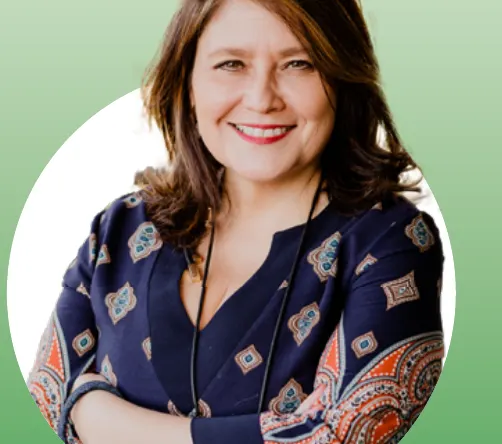
For Sepúlveda the challenges are enormous, and one factor that has sharpened them is the pandemic. The executive director says that since last year women have been the people most affected by the health crisis, which has led to a deep economic and social crisis. “The truth is that we need to take the advancement of the gender equality agenda with great seriousness and great proactivity”, she states.
Sepúlveda cites the Gender Development Index, produced by the United Nations Development Programme (UNDP), a report that places us 62nd in the world on gender equality. The expert finds it striking that our country is in the high human development category while ranking poorly on equality of opportunity between women and men. For Sepúlveda, this shows that Chile still has many open gaps of inequality, which “make it hard for women to exercise their rights fully and to have autonomy”.
The constituent process and the achievement of gender parity in the Constitutional Convention appear as a good beginning. On this, Alejandra says: “We must make that parity find concrete expression. The Constitution must enshrine gender democracy and the principle of substantive equality and non-discrimination, and it must recognise women’s fundamental rights and equal opportunities.”
In this sense, Sepúlveda believes that the greatest challenge lies in achieving women’s economic autonomy, access to decent, good-quality work, the possibility of ending the gender pay gap, and shared parental and social responsibility for care. This last issue, for the executive director, is especially important, and she considers that it should be the main focus of many public policies. The exclusive cost attached to motherhood in the labour market reproduces the pay gap and the lack of opportunities and growth for women. Work and care are two sides of the same coin.
Another challenge Sepúlveda mentions is achieving gender parity in spaces of power: “To the extent that women are also present in decision-making, and not only in elected posts but also in autonomous institutions, in the branches of the State, in public and private companies, it is possible for us to move faster in closing these gaps”.
“Women’s political participation does not end with the parity-based composition of the Constitutional Convention. It also means how we manage to ensure competition on equal terms in all the other elections. These next two years are going to be super relevant, and of course women have a great deal to contribute from their experience and knowledge. The most advanced societies are the most egalitarian, and parity is a principle that deepens democracy and gives it legitimacy”, she explains.
For Alejandra Sepúlveda: “In the discussion of this new Constitution we need to be able to build a more solidary State, where rights are not tied to a person’s ability to pay, but where there is universal access to the basics. Above all, though, we need to mainstream the gender perspective, to ensure fundamental principles and duties that allow women, who are more than 50% of the population, to develop all their capacities and talents”.
Tips for avoiding micromachismos
Tips · Línea Libre (the Foundation’s helpline for children and young people)
We share some tips for avoiding micromachismos. Micromachismos are small sexist gestures or attitudes that appear in everyday life and often go unnoticed because they are subtle. That is why we want to share some examples that we should not repeat, if we want to build an equitable and fair society for everyone.
- MansplainingThis concept is used to describe the situation in which a person’s abilities, mainly a woman’s, are delegitimised through a speech. For example, a woman speaks with authority on a subject and a man interrupts her and tries to explain the same thing from his own perspective. Situations of this kind only go on perpetuating gender violence and the silencing of women.
- “Helping” with household tasksOn some occasions it is assumed that domestic tasks are women’s responsibility, so that when a man takes part it is assumed that he is “helping”. It is important to remember that this is not help, but taking an equal part in the daily work.
- “Crying is for girls”Saying “crying is for girls” is a gender stereotype that boys are often told to stop them from crying or expressing their emotions. We therefore need to avoid attributing certain actions only to girls. We must understand that crying, laughing, getting angry and other emotions are part of everyone’s feelings.
- Judging a woman by what she wearsWomen are often judged by their physical appearance or their clothes, according to their age or personal situation. For example, it is said that certain garments are exclusively for teenagers, that mothers cannot dress in a certain way, or that some garments are too “provocative”. Everyone is free to dress however they feel most comfortable, without this being a reason for criticism.
Remember that if you are a child or adolescent and need more guidance on this or other subjects, you can talk to a Línea Libre psychologist, confidentially and free of charge, from Monday to Saturday between 10:00 and 22:00. Get in touch by downloading the Línea Libre app, calling 1515 or visiting www.linealibre.cl.
About this edition. Web version of Por un Mundo sin Abuso magazine, No. 10 (March 2021), published as a PDF in Spanish by the Fundación para la Confianza, with typographical errors corrected and new graphics summarising the content. Figures and references are as of the date of the magazine. The Línea Libre mentioned in this issue is currently suspended. Download the original PDF (in Spanish)
Editorial team. José Andrés Murillo, director. Verónica Uzcátegui, editor-in-chief. Nicole del Río, Ignacio Flores, Marjorie Massardo and Marcela Valdebenito, contributors. Cristhian Sotomayor, graphic design and layout.
Translation by Fundación Para la Confianza. In case of any difference, the Spanish version prevails. Spanish version.